Breathing

Smoke

How crop burning in Northern India chokes Delhi every winter

wipe the smoke or scroll

What is the problem?

Every year, Delhi disappears into smog.

Delhi and the broader National Capital Region are frequently ranked among the most polluted major urban areas in the world. For people who live there, the pollution is not an abstract environmental issue. It is something that settles over roads, homes, schools, markets, and lungs.

In a city of more than thirty million people, toxic air turns ordinary routines into daily exposure. The haze can blur the skyline, dim the sun, and make breathing feel heavy even before anyone checks an air quality number.

Long-term exposure to polluted air is linked to a significant reduction in life expectancy. Even healthy residents can suffer from chronic headaches, itchy eyes, coughing, and respiratory issues.
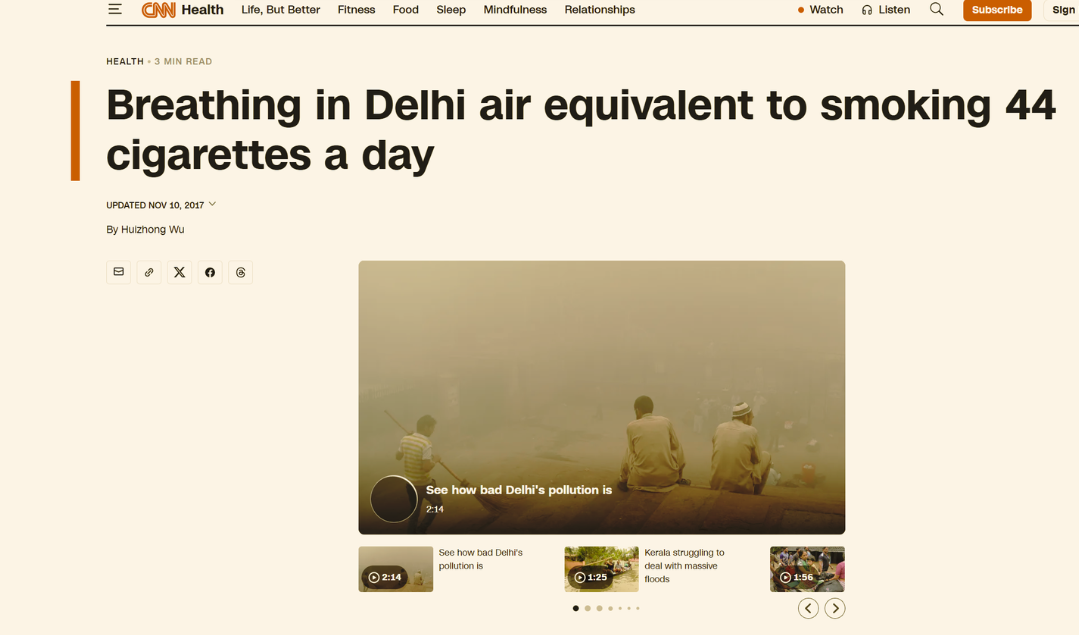
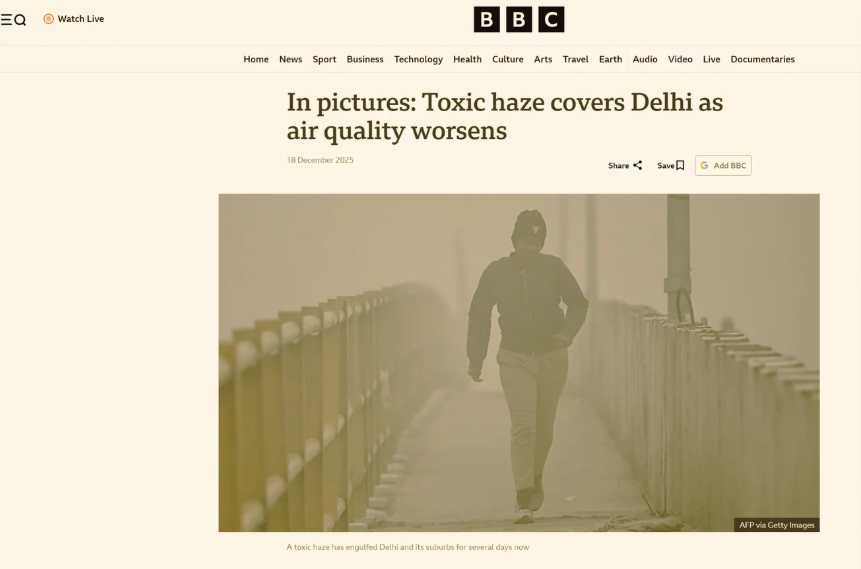
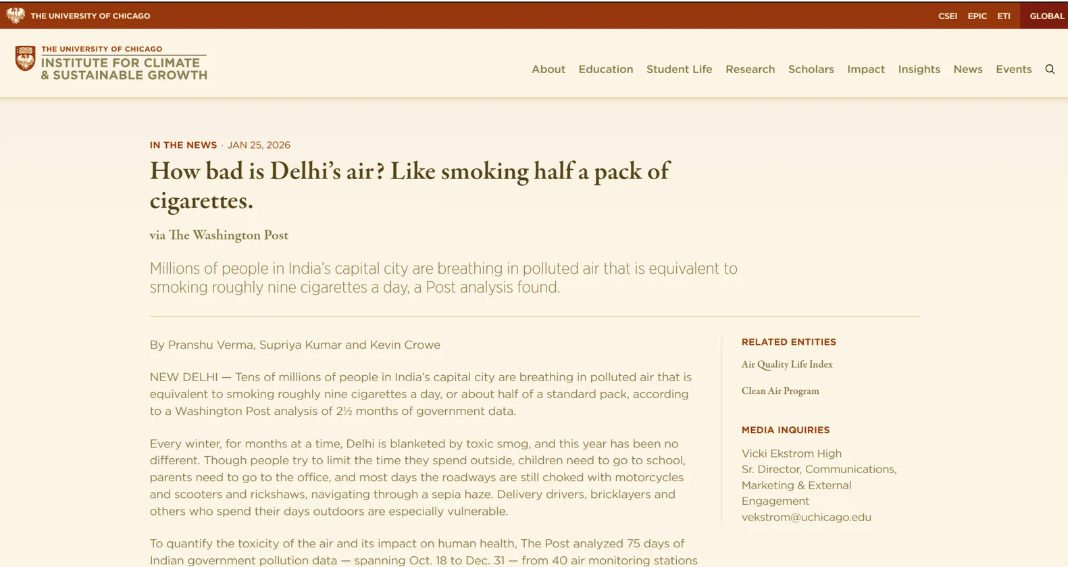
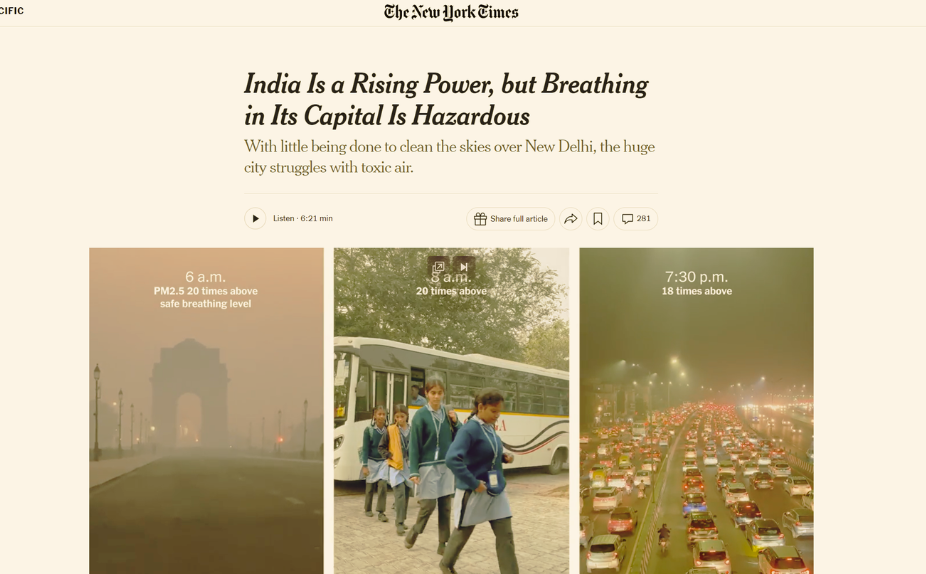
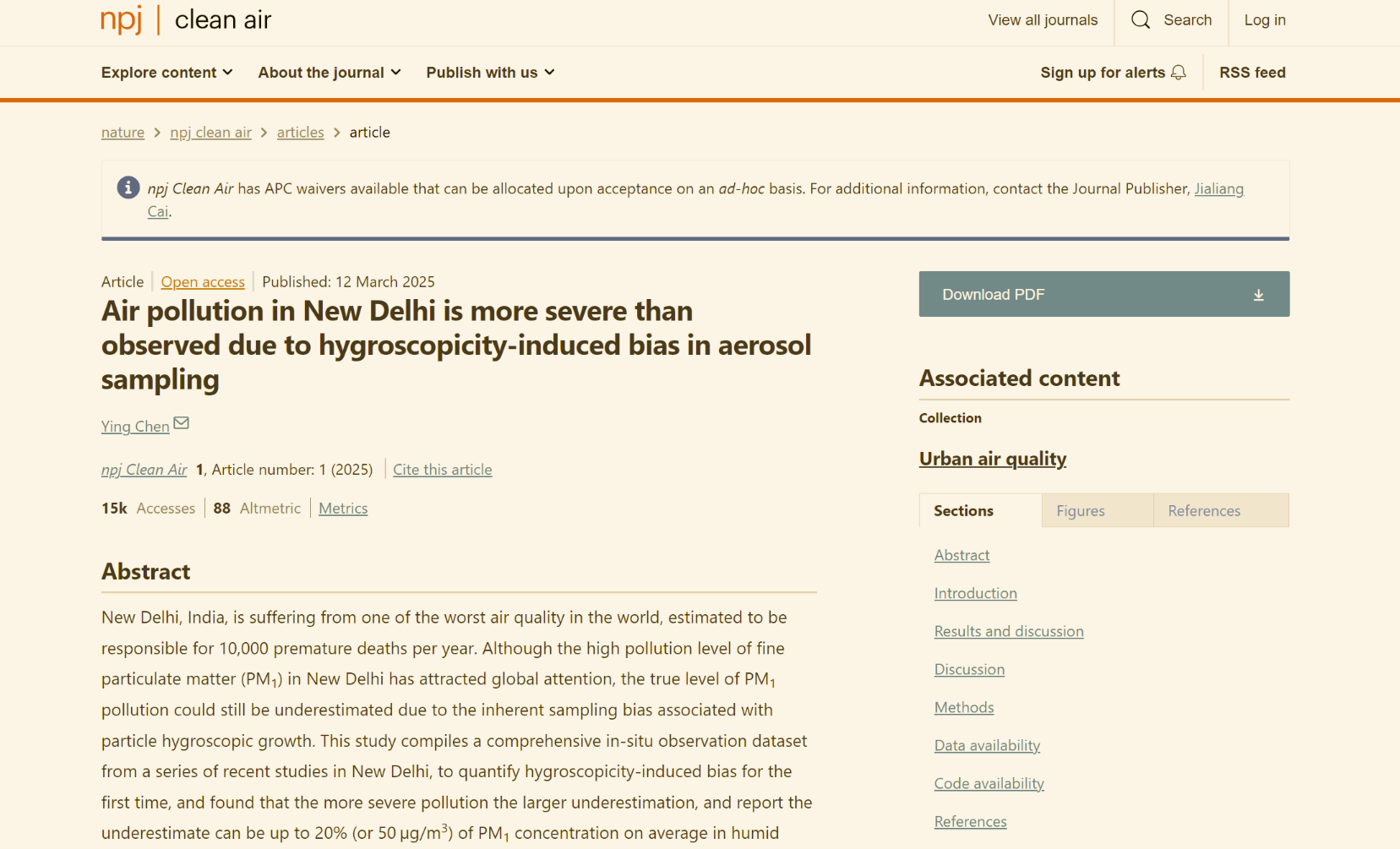
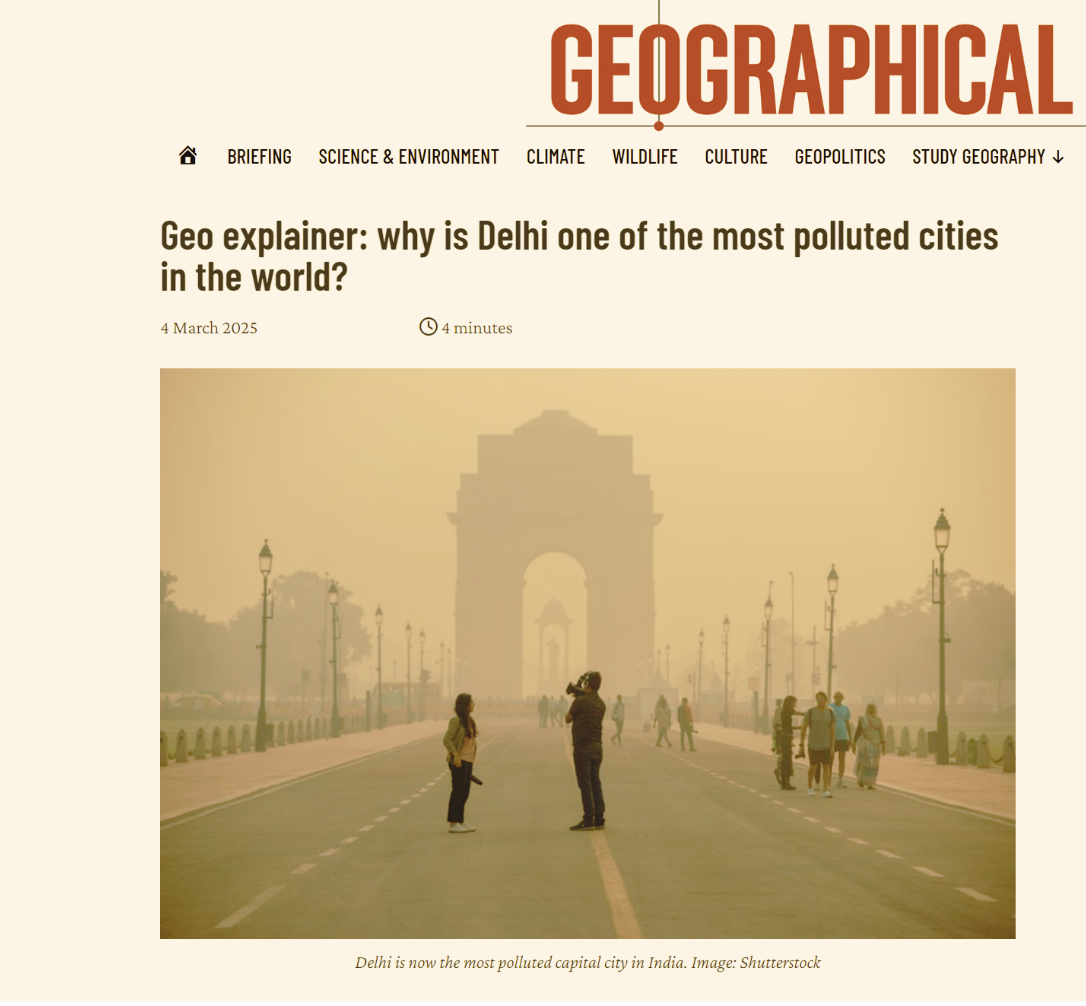
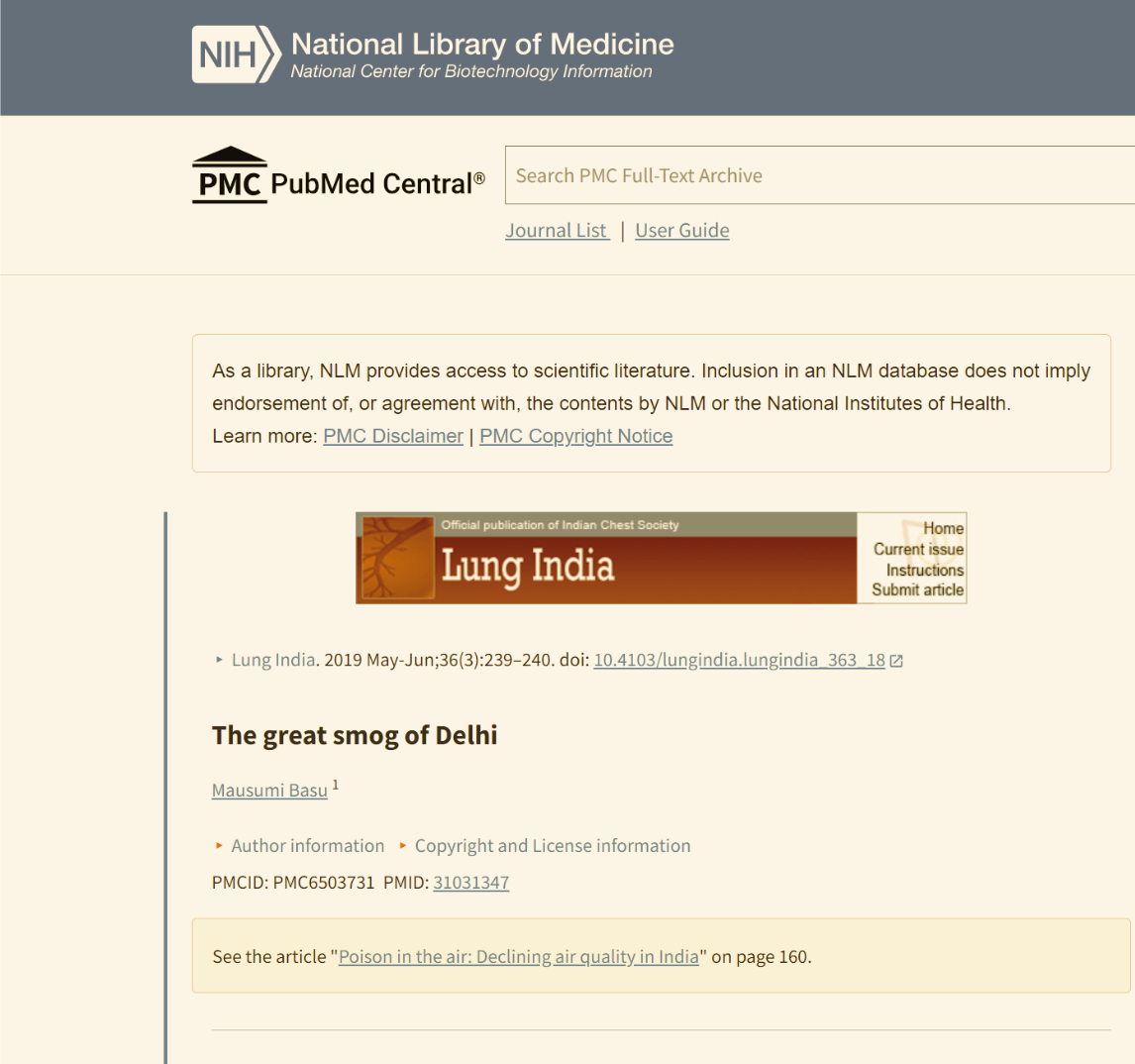
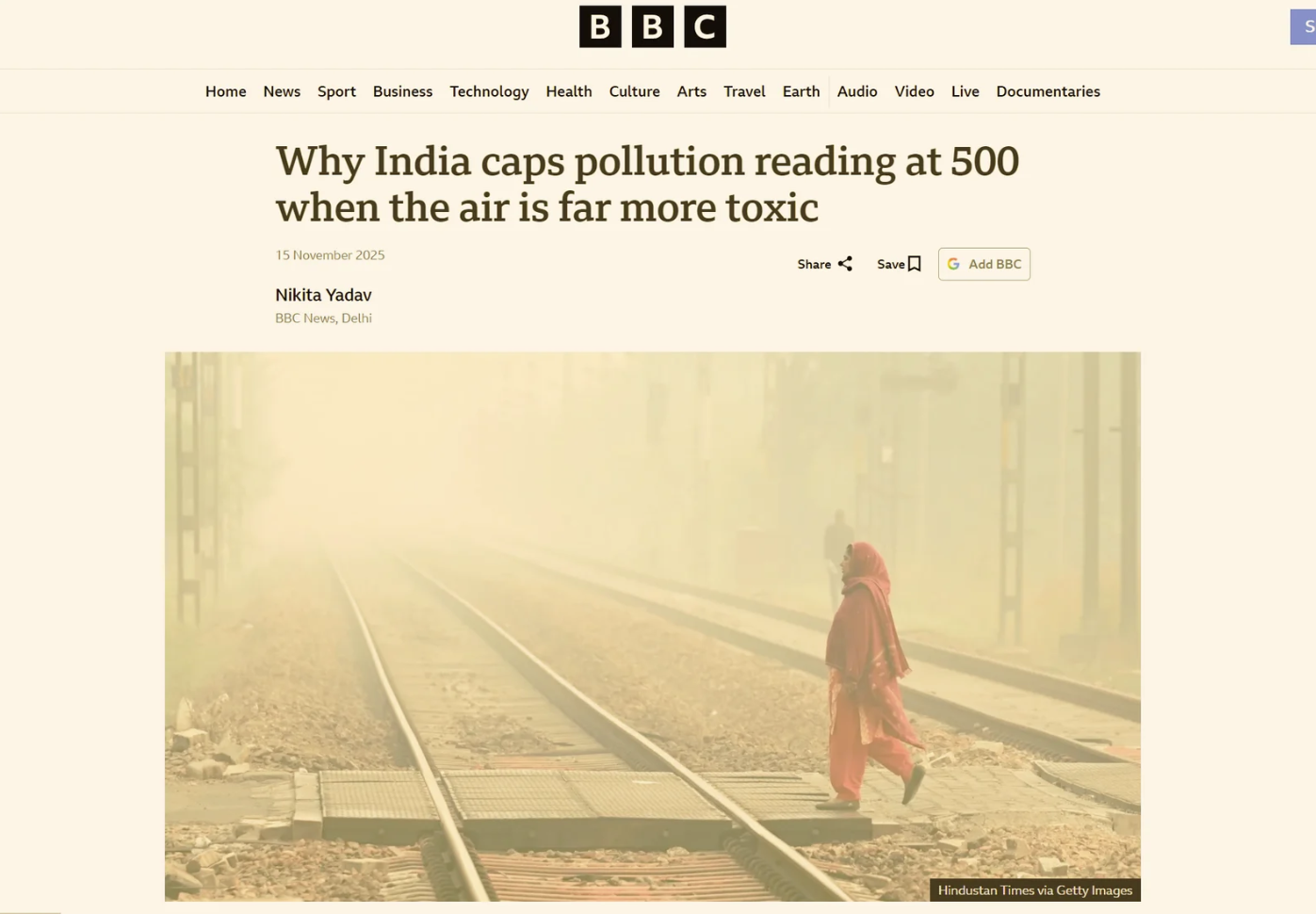
CNN article screenshot about Delhi air being equivalent to smoking 44 cigarettes a day BBC article screenshot showing toxic haze covering Delhi University of Chicago article screenshot about Delhi air and cigarettes New York Times article screenshot about hazardous air in New Delhi Article screenshot about air pollution in New Delhi Geographical article screenshot about why Delhi is heavily polluted PubMed Central article screenshot about the great smog of Delhi BBC article screenshot about India capping pollution readings at 500

A window that’s
too small

After their rice harvest, farmers in Punjab and Haryana have only a few weeks to prepare their fields for wheat.

Clearing crop residue requires time, labor, and equipment that many cannot afford. Burning stubble is the fastest and cheapest way to prepare fields for the next planting season.

Loading…
Loading fire detections
Punjab fires & Delhi PM2.5, relative levels

But how do fires hundreds of kilometers away affect the air in Delhi?

The smoke does not stay in the fields. Downwind, it drifts toward Delhi.

First, let's begin to understand how to quantify air quality.

In early season, fire detections remain scattered across northern India, large clusters have not yet formed across Punjab and Haryana.

The region is entering the dry post-monsoon season, when harvested fields clear and moisture drops. The landscape has not yet shifted into the concentrated burn period tied to wheat preparation.

As the rice harvest finishes and farmers rush to plant wheat, fires begin appearing more frequently.

At the same time, northwesterly winds begin pushing smoke southeast toward Delhi and the Indo-Gangetic Plain, carrying pollution far beyond the fields where the fires originate.

The pattern becomes difficult to ignore.

By this stage, daily detections can exceed 1,500 fires in a single day. Distinct clusters now dominate parts of Punjab and Haryana, aligning closely with the narrow window farmers face between rice harvest and wheat sowing.

The burn season reaches its maximum intensity.

Daily detections climb above 3,400 fires with more than 10,000 fires already recorded within the six days prior. The concentration of activity becomes one of the largest seasonal fire bursts visible in the region each year.

Smoke continues to follow wind routes into Delhi, blocked by the Himalayas which form a barrier, preventing air from dissipating.

After the sowing window passes, the fire counts begin falling almost as quickly as they rose.

The MODIS dataset still captures many kinds of fires -- not just stubble burning -- but the intense concentration visible during the period weakens. There is an undeniable short, explosive burst of fire activity that appears irregular compared to surrounding weeks.

PM2.5 is microscopic air pollution—about 30 times smaller than a human hair—that can travel deep into your lungs and even enter your bloodstream when you breathe.

Los Angeles has consistently been in the top 10 most polluted cities in the US. Between 2020 and 2023, it's annual average hovered around 11.1 micrograms per cubic meter (11.1 µg/m³).

Values shown in micrograms per cubic meter. Sources: WHO, EPA AQI, Kidsdata.org, Delhi PM2.5 dataset summary.

So what does this mean?

It's not just winter — Delhi's air is in crisis all year long. Millions of people breathe air far above safety limits — and for some, this is all they know.

~12 yrs

Life cut short

Sustained exposure can shorten life expectancy by roughly a decade compared with breathing clean air.

Lungs

Harder to breathe

Fine particles drive chronic coughing, asthma, bronchitis, and long-term diseases like COPD.

Heart

Strain on the body

PM2.5 enters the bloodstream, raising the risk of heart attacks, stroke, and high blood pressure.

Kids

Growing up in it

Children who grow up breathing this air may never fully develop healthy lungs.

An Issue All Year Round

In 2017 CNN

Daily exposure to pollution in Delhi during peak season was equivalent to

cigarettes/day

It's Not Just the Fires

But is that everything?

Despite government efforts to curb pollution and crop burning, and clean the air, Delhi once again made global headlines in the winter of 2025. Air quality surpassed 400 AQI, flights were disrupted, and millions were left breathing hazardous air.

In a city of more than 30 million people, one of the largest in the world, is there not more to be done?

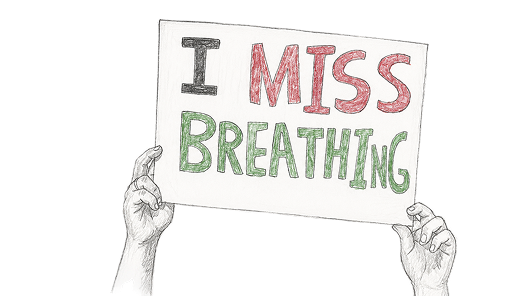
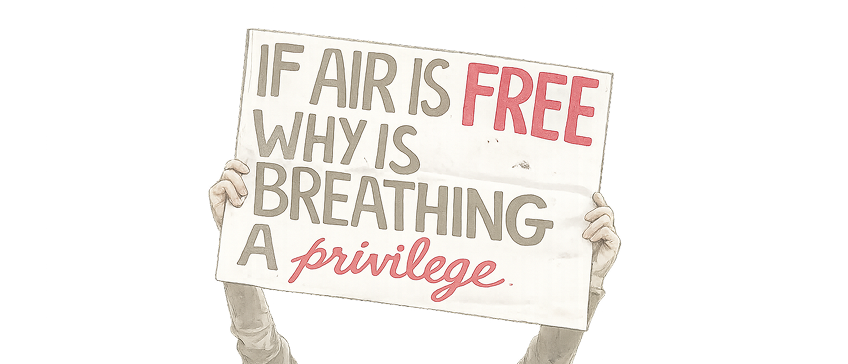
Young protesters gathered in Delhi in November 2025 as pollution levels climbed above 400 AQI, demanding action and fighting for their right to breathe clean air.

The smoke that blankets Delhi each winter does not come from a single source. Together, they create a problem that affects millions of people every year.

For now, the haze still returns each winter. And for the people who live beneath it, the question is no longer what causes the smoke, but when they will finally be able to breathe without it.